In an era defined by geopolitical tensions, volatile markets, and unrelenting cost pressures, corporate investment decisions face unprecedented scrutiny. Yet, defensive cost-cutting alone is insufficient for long-term survival. Forward-thinking organizations are realizing that IT is not merely a risk-mitigation tool or an overhead expense, but a central driver of value creation.
To thrive amid continuous disruption, companies must move beyond basic resilience—the ability to withstand shock—and embrace “antifragility”. Antifragile organizations convert uncertainty into an engine for innovation and growth. By establishing a digital nervous system through interconnected, data-driven systems, businesses can illuminate risks, automate decision-making, and unlock new commercial opportunities.
Based on insights from Dell Technologies, four strategic technology pillars empower organizations to transform market volatility into a competitive advantage.
- Data-Driven Decision Making via Big Data Analytics
Data has long been recognized as a strategic asset, but the focus has shifted from backward-looking reporting to real-time, continuous monitoring. Modern data platforms unify structured and unstructured data from ERP systems, IoT sensors, and external market feeds into a single digital operational view. Advanced analytics function as an early-warning system, identifying supply chain bottlenecks, financial risks, and shifting customer behavior before they escalate. Establishing rigorous data governance, high data quality, and interoperability is essential to prevent fragmented silos from compromising these insights.
- Operational Productivity Driven by Artificial Intelligence
AI is rapidly moving from analytical support to predictive and prescriptive execution. Advanced models analyze vast datasets to forecast demand, simulate pricing strategies, and optimize production capacities dynamically. According to Gartner analysts, AI agents will be embedded in nearly 50 percent of all business applications by 2026, autonomously managing tasks in procurement, inventory, and financial planning. Realizing this potential requires embedding machine learning and scalable architectures into daily workflows, supported by continuous model training and real-time data inputs.
- Agility and Continuity Through Cloud Architecture
Cloud computing has evolved from an infrastructure choice to an agile operational model. Distributed, containerized architectures allow enterprises to scale, adapt, and deploy applications rapidly as market conditions shift. In times of disruption, automated failover mechanisms, geographically distributed data centers, and continuous data synchronization safeguard business continuity. Simultaneously, organizations must optimize existing cloud footprints, consolidating platforms to manage complexity and maintain strict governance across cost, performance, and security.
- Enterprise Stability Powered by Cybersecurity
Cybersecurity is no longer just an IT concern; security breaches directly jeopardize revenue, operational compliance, and brand reputation. Modern architectures adopt a holistic Zero Trust model, verifying every request regardless of origin based on identity, device context, and behavioral patterns. Coupled with continuous monitoring, endpoint detection, and automated threat response, security becomes an enabler of business stability. Robust backup strategies and crisis simulation ensure rapid recovery, transforming security from a cost center into a foundational element of value creation.
Strategic Imperative
Modernizing the technology stack is fundamentally a strategic requirement for long-term viability. “Investments in modern technologies are a strategic necessity, especially in uncertain times,” states Jana-Irina Luley, Senior Director and General Manager DTS at Dell Technologies. “Companies that systematically analyze their data, automate processes, and design their systems flexibly can react faster to change and capitalize on opportunities in a targeted manner. Those who invest and modernize wisely will emerge from crises with new concepts for success.”

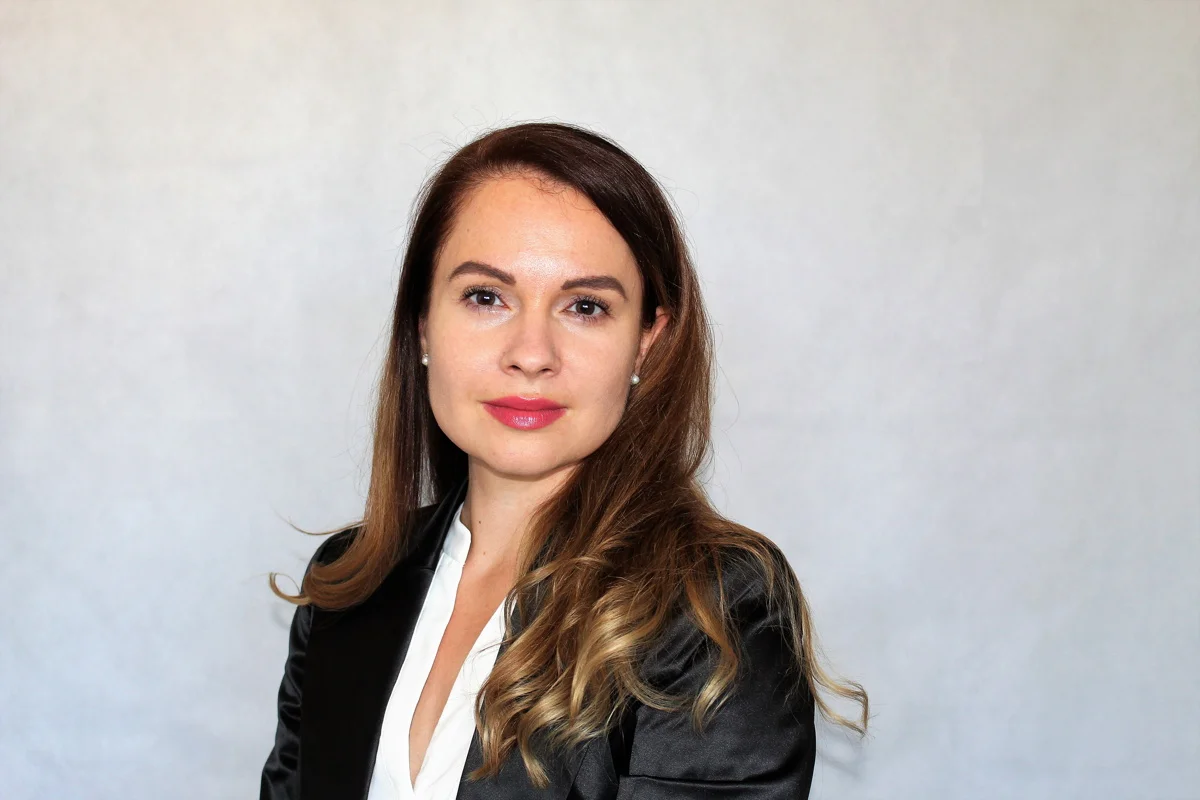
Carolina Heyder is a business analyst and moderator with extensive experience in the German and international IT market. She has worked for many years at renowned European trade publishers such as WEKA Fachmedien, Vogel IT Medien, Springer, and Aspencore. She creates content for both web and print media and is an expert in front of the microphone and camera. Thanks to her fluency in German, English, and Spanish, as well as her Chilean roots, she brings a global and intercultural perspective to topics such as cybersecurity, artificial intelligence, digital transformation, sustainability, and other key areas of the IT sector.