A conversation with SVA’s David Wiesener traces how a thin-client partnership with German manufacturer IGEL evolved into a full-scale secure endpoint strategy — and why digital sovereignty is now driving demand across the German market.
In an interview, David Wiesener, Senior Consultant Modern Workplace and Technical Lead IGEL at SVA System Vertrieb Alexander GmbH, describes how his company’s long-standing partnership with German manufacturer IGEL has grown from classic thin-client deployments into a comprehensive approach to secure endpoints and modern digital workplaces. SVA positions itself as a strategic integration partner, benefiting from rising demand for secure systems.
SVA and IGEL have worked together since 2012, a partnership that now holds IGEL’s highest Platinum Partner status. Wiesener looks back on that development and offers a clear picture of current opportunities in the German IT market. What began as a pure thin-client offering has, in his account, evolved at IGEL into a comprehensive ecosystem for secure endpoints and digital workplaces — a transformation from which SVA, as one of the country’s leading system integrators, has benefited significantly.
“SVA has been working with IGEL since 2012,” Wiesener explains. He says the partnership changed fundamentally following IGEL’s strategic shift from a pure hardware vendor to a provider of secure endpoint operating systems. Previously, hardware provisioning and centralized management were the focus. After the move away from hardware, he says, customers often asked whether IGEL “still exists,” requiring active education around suitable use cases and appropriate hardware.
Today, the focus is squarely on security: no local data processing, centralized management, and consulting around the digital workplace, including local web apps and optimized workflows. Management and software solutions, he says, are now central to the offering.
This shift has opened concrete business opportunities for SVA. Demand for secure workplaces is rising, and IGEL, as a German manufacturer, can capitalize on that — particularly in the context of digital sovereignty, a theme Wiesener says the German market is currently pushing hard. Companies want to move away from traditional Windows workplaces while continuing to rely on platforms such as Citrix, AVD, or Omnissa. The Secure Browser is seen as a particularly promising entry point — a centrally managed, secure gateway to web and SaaS applications. “The market is asking for secure workplaces,” Wiesener says. SVA advises customers on how IGEL differs from Linux-based endpoints and where it holds an edge in security and management. Cost-effectiveness matters too: customers want affordable yet high-performance solutions.
Many companies are currently rethinking their end-user computing strategies. Recurring requirements that SVA addresses together with IGEL include secure, centrally managed endpoints for a range of scenarios — from classic office setups to digital signage and remote access. Use cases involving Citrix, Omnissa, or AVD environments, he says, are well complemented by IGEL. Wiesener emphasizes the advisory role: “We work with the customer to define the right use cases and then find the right hardware for them. Today, consulting on the digital workplace is front and center.” Beyond security and management, he points to growing interest in OS 12 with its new hypervisor, new BCDR protection solutions, and simplified administration.
A key competitive advantage, Wiesener notes, is SVA’s highly qualified team. The company points to a large, extensively certified thin-client team and says it is the only nationwide German IT service provider with two experts in the IGEL Champions Club — including Wiesener himself. SVA recently won the IGEL Award for Technical Excellence. Champions, he says, are distinguished by years of hands-on experience across industries, up-to-date certified expertise, close collaboration with IGEL’s development team, and end-to-end project support from proof of concept through rollout — know-how that delivers decisive value in customer projects and is difficult for competitors to match.
IGEL, Wiesener adds, is increasingly positioning itself as a platform within a broader ecosystem of cloud, virtualization, and security vendors, with SVA playing a central role as integration partner. “It’s about the digital workplace,” he says. “We advise on and are at home in everything IGEL does. We optimize workflows and find the modern setup that fits the customer.” The most common projects, he notes, involve Citrix, Omnissa, and AVD in combination with modern authentication methods or smartcard solutions in healthcare settings. SVA acts as the link between vendors and customers.
Looking ahead two to three years, Wiesener sees growth potential across the board: in classic end-user computing, which he says is far from disappearing, in the security segment, and in new operating models such as managed services. “All three,” he answers when asked about priorities. He points in particular to the combination of Secure Browser and managed services as a relief for customers struggling to take on new initiatives — SVA takes work off customers’ hands and relies on close ties with vendors.
The SVA-IGEL partnership, Wiesener concludes, stands as a model for the future of secure, flexible, and cost-effective IT workplaces in Germany. With deep technical expertise, certifications, and a clear focus on the modern digital workplace, SVA is well positioned to support companies through this transformation.
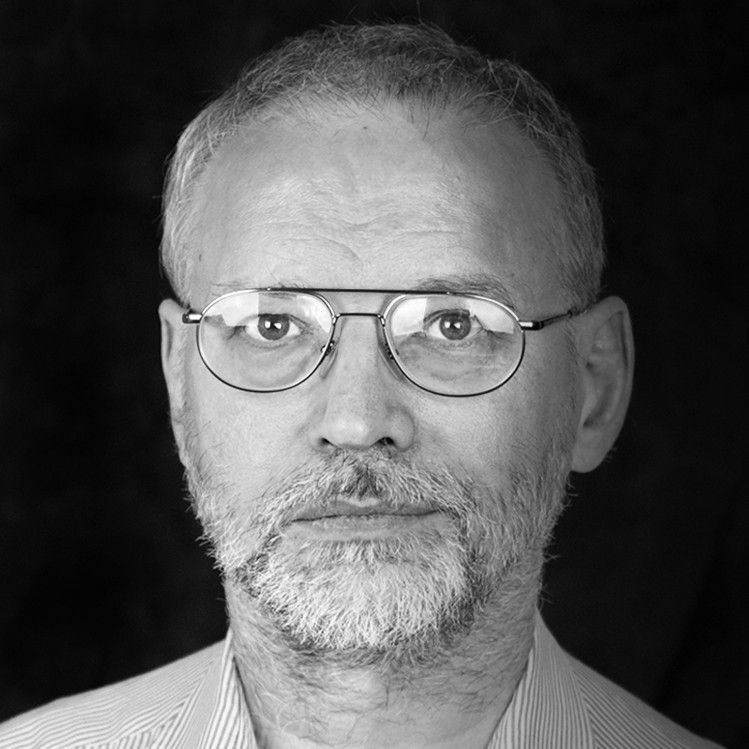
Dr. Jakob Jung is Editor-in-Chief of Security Storage and Channel Germany. He has been working in IT journalism for more than 20 years. His career includes Computer Reseller News, Heise Resale, Informationweek, Techtarget (storage and data center) and ChannelBiz. He also freelances for numerous IT publications, including Computerwoche, Channelpartner, IT-Business, Storage-Insider and ZDnet. His main topics are channel, storage, security, data center, ERP and CRM.
Contact via Mail: jakob.jung@security-storage-und-channel-germany.de