In the fall of 2026, Cologne-based AI developer DeepL introduced the Aure and Aure v2 speech models to halve latency in real-time translations while preserving vocal characteristics. Simultaneously, the company is restructuring its data center infrastructure in partnership with VAST Data.
Requirements for automated real-time translation have shifted in recent months: alongside pure textual accuracy, processing speed and the preservation of individual vocal characteristics have moved into focus. To address these demands, Cologne-based company DeepL announced several technological updates in October and November 2026 for its DeepL Voice platform, which provides live translations for online meetings and in-person conversations.
The rollout began in October 2026 with the integration of the VAST AI Operating System from VAST Data as a new data foundation for DeepL’s research and development environments. This move responds to increased storage and computing demands when training language models, particularly in real-time voice processing. According to the company, the platform yields roughly three times the storage capacity on existing NVMe hardware without requiring additional physical infrastructure. Using SyncEngine technology, DeepL is migrating its existing data onto a unified file and object storage platform to reduce manual data transfers between its own data centers and future cloud environments.
Building on this infrastructure, DeepL released the Aure model on November 11, 2026. Whereas earlier systems generated a static vocal profile based on a brief voice sample at the start of a conversation, Aure analyzes the audio stream continuously. The model separates vocal identity, prosody, and spoken content from one another. This allows shifts in tone, pacing, and emphasis during a conversation to be captured and transferred into the target language while filtering out background noise. At launch, Aure covered eight languages: German, English, Spanish, French, Italian, Japanese, Portuguese, and Korean.
Two weeks later, on November 26, 2026, DeepL unveiled the next iteration, Aure v2, in Tokyo. The primary change lies in an end-to-end architecture that translates spoken language directly into the target language. Previous methods operated in three separate stages: speech-to-text recognition, text translation, and subsequent speech synthesis. By consolidating these steps, Aure v2 reduces median translation latency by 50 percent compared to its predecessor, according to internal measurements.
A key technical hurdle in simultaneous translation involves determining the optimal moment to begin speech output—particularly in languages such as German or Japanese, where critical sentence components often appear at the end. Because training datasets capturing precise timing are limited, DeepL applied reinforcement learning. The model was trained to balance starting a translation as early as possible against maintaining contextual accuracy. In internal tests across ten language pairs, Aure v2 recorded 32 percent fewer translation errors in English-Japanese than Google Gemini 3.5 Live Translate.
These developments coincide with rising adoption of DeepL Voice. In the third quarter of 2026, total translated voice minutes increased more than eightfold year-over-year, while translated meeting minutes grew sevenfold. The company reported notable growth in Japan, South Korea, the United States, and Germany.
Aure v2 is available immediately in DeepL Voice and via the company’s API for six languages (German, English, French, Spanish, Japanese, and Korean). Regarding enterprise deployment, DeepL notes that business customer audio data and transcripts are not used for model training and are deleted by default once a conversation ends.
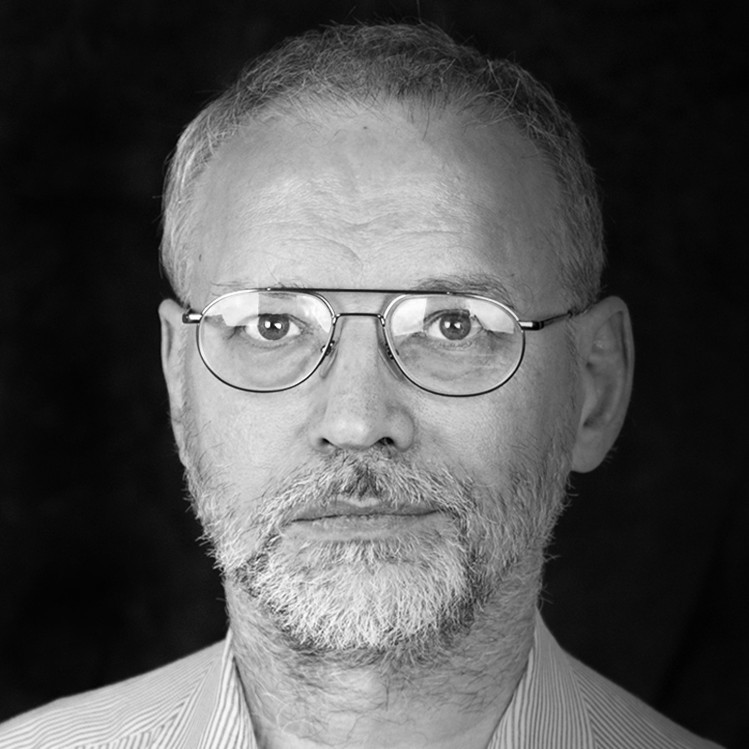
Dr. Jakob Jung is Editor-in-Chief of Security Storage and Channel Germany. He has been working in IT journalism for more than 20 years. His career includes Computer Reseller News, Heise Resale, Informationweek, Techtarget (storage and data center) and ChannelBiz. He also freelances for numerous IT publications, including Computerwoche, Channelpartner, IT-Business, Storage-Insider and ZDnet. His main topics are channel, storage, security, data center, ERP and CRM.
Contact via Mail: jakob.jung@security-storage-und-channel-germany.de