| Nutanix erweitert seine Cloud Platform um Funktionen für souveräne, verteilte Infrastrukturen. Die Updates betreffen Sicherheit, Kontrolle und Disaster Recovery. | Nutanix is expanding its cloud platform with features for sovereign, distributed infrastructures. The updates relate to security, control, and disaster recovery. |
| Unternehmen, die ihre Infrastruktur über verschiedene Cloud-Regionen verteilen, stehen vor der Herausforderung, Souveränitätsanforderungen und Business Continuity zu vereinbaren. Gleichzeitig wollen sie Flexibilität bewahren, ohne sich an einen einzelnen Cloud-Anbieter zu binden. Nutanix reagiert mit Erweiterungen seiner Cloud Platform auf diese Anforderungen.
Management verteilter Umgebungen Die Nutanix Cloud Platform bietet nun orchestriertes Lifecycle-Management für Dark-Site-Umgebungen sowie On-Premises-Bereitstellungsoptionen für Governance- und Steuerungsumgebungen. Nutanix Central, das Tool für das Management verteilter Cloud-Umgebungen, lässt sich in kundenkontrollierten On-Premises-Umgebungen betreiben. Nutanix Data Lens (NDL) wird ebenfalls für On-Premises-Deployments verfügbar sein und soll Unternehmen bei Sicherheit, Governance und Ransomware-Resilienz unterstützen. Thomas Cornely, Executive Vice President of Product Management bei Nutanix, erläutert: „Souveräne Cloud-Architekturen entwickeln sich zu einer Priorität für Unternehmen, die über ihre Zukunft entscheidet.“ Die Erweiterungen würden Kunden ermöglichen, eigene souveräne Grenzen in verteilten Umgebungen zu ziehen. Erweiterte Partnerschaften und Verfügbarkeit Nutanix Government Cloud Clusters (GC2) sind jetzt auf Amazon Web Services verfügbar und richten sich speziell an US-Bundesbehörden. Die Orchestrierung verbleibt innerhalb der Behördenumgebung, externe SaaS-Angebote oder gemeinsam genutzte Anmeldeinformationen sind nicht erforderlich. Nutanix Cloud Clusters (NC2) auf Google Cloud sind in 17 Regionen weltweit verfügbar. Zusätzliche Microsoft Azure- und AWS-Regionen in den USA erweitern die Optionen für regional unterschiedliche Compliance-Anforderungen. Sicherheitszertifizierungen NC2 auf Azure und AWS haben die jährliche SOC 2 Type 2-Prüfung abgeschlossen und ihre ISO-Zertifizierungen (27001, 27017, 27018, 27701 und 22301) erneuert. NC2 auf Azure erhielt zudem erstmals die CSA Star Level 2-Zertifizierung. Diese Testaten bestätigen, dass die Kontrollen zur Unterstützung von Sicherheit, Verfügbarkeit, Vertraulichkeit und Datenschutz im Zeitraum 2024-2025 wirksam funktionierten. Die Nutanix Kubernetes Platform (NKP) wird eine FIPS 140-3-validierte und STIG-konforme Ubuntu Pro-Image-Option erhalten, die sich in der Entwicklung befindet. Dies richtet sich an Organisationen mit strengen Sicherheitsanforderungen, einschließlich Betreibern sensibler oder regulierter KI-Workloads. KI-Workloads und Containerisierung Nutanix Enterprise AI (NAI) integriert NVIDIA AI Enterprise-Software-Branches für den Einsatz in Regierungsbehörden. Kunden können KI-Modelle mit NVIDIA NIM-Microservices in STIG-gehärteten und FIPS-fähigen Containern bereitstellen. Weitere Sicherheitsverbesserungen umfassen tiefere Integration von Identitätsprüfungen, feingranulare Zugriffskontrollen für Modelle sowie erweiterte Protokollierung und Überwachung. Funktionen für VPC-basierte Isolation, Netzwerk-Load-Balancing und Mikrosegmentierung werden auch auf containerisierte Workloads angewendet, um konsistente Kontrolle über VMs und Container zu ermöglichen. Disaster Recovery und Resilienz Neue mehrstufige Disaster-Recovery-Optionen erlauben IT-Teams, für jeden Workload ein passendes Schutzniveau anzuwenden. Die Funktionen sollen einen unterbrechungsfreien Geschäftsbetrieb selbst bei Ausfällen von bis zu drei Standorten oder Regionen ermöglichen. Multicloud-Snapshots fügen eine zusätzliche Schutzschicht hinzu. Sicherheitsregeln werden während Failover und Live-Migration konsistent angewandt. Nutanix Data Services for Kubernetes wendet die synchronen und asynchronen Disaster-Recovery-Schutzmaßnahmen auch auf Container mit Block- und Dateidaten an. Vereinfachtes Management Das Automatisierungstool Nutanix Infrastructure Manager nutzt validierte Designmuster zur Optimierung von Bereitstellungen. Eine einheitliche Netzwerk-Kontrollebene bietet zentrale Transparenz über VLANs, virtuelle Netzwerke und Mikrosegmentierungsregeln in On-Premises- und Public-Cloud-Umgebungen. NKP-Cluster melden sich automatisch in Nutanix Prism Central an, was sofortige Sichtbarkeit auf Infrastrukturebene ermöglicht. NAI enthält ein Dashboard für LLM-Metriken mit detaillierten Einblicken in Request- und Token-Aktivitäten. Kundenstimmen Paul Bodet, CTO der LFB Group, einem biopharmazeutischen Unternehmen, betont die Bedeutung von Datensouveränität und Compliance. Nutanix Cloud Clusters auf OVHcloud ermöglichten es, die Infrastruktur zu modernisieren und gleichzeitig sicherzustellen, dass sensible Daten in einer europäischen Cloud verbleiben. François Fleutiaux, CEO von Inetum Euromed, sieht in der Kombination aus Nutanix Cloud Clusters und OVHcloud eine souveräne Alternative mit nahtlosem Betrieb über On-Premises- und Cloud-Umgebungen. Brancheneinschätzungen Dave Pearson, Vice President bei IDC, sieht die verteilte souveräne Cloud als Priorität für Organisationen mit regulatorischen Verpflichtungen. Modelle, die sich lokal steuern lassen und Cloud-Skalierbarkeit unterstützen, seien für Modernisierungsprojekte attraktiv. John Fanelli von NVIDIA hebt hervor, dass Unternehmen KI-Strategien entwickeln, die Sicherheit, Souveränität und Bereitstellungsmöglichkeiten in verteilten Umgebungen voraussetzen. Die Kombination von Nutanix mit NVIDIA Accelerated Computing ermögliche hochperformante souveräne KI-Systeme. Yaniv Fdida, Chief Product & Technology Officer von OVHcloud, betont: „Unternehmen in ganz Europa suchen nach Möglichkeiten, die volle Kontrolle über ihre Daten und Betriebsprozesse zu behalten und gleichzeitig die Agilität verteilter Cloud-Architekturen zu nutzen. Unsere Zusammenarbeit mit Nutanix kombiniert die vertrauenswürdige, souveräne Infrastruktur von OVHcloud mit der Flexibilität von Nutanix Cloud Clusters. Kunden können dadurch ihre eigenen Sicherheitsgrenzen über Regionen und Umgebungen hinweg definieren und verteidigen. Gemeinsam versetzen wir Unternehmen in die Lage, in zunehmend verteilten Umgebungen mit größerer Sicherheit, Resilienz und Unabhängigkeit zu operieren.“ |
Companies that distribute their infrastructure across different cloud regions face the challenge of reconciling sovereignty requirements and business continuity. At the same time, they want to maintain flexibility without being tied to a single cloud provider. Nutanix is responding to these requirements with enhancements to its Cloud Platform.
Management of distributed environments The Nutanix Cloud Platform now offers orchestrated lifecycle management for dark site environments as well as on-premises deployment options for governance and control environments. Nutanix Central, the tool for managing distributed cloud environments, can be operated in customer-controlled on-premises environments. Nutanix Data Lens (NDL) will also be available for on-premises deployments and is designed to support enterprises with security, governance, and ransomware resilience. Thomas Cornely, Executive Vice President of Product Management at Nutanix, explains: “Sovereign cloud architectures are becoming a priority for enterprises, determining their future.” The enhancements would enable customers to draw their own sovereign boundaries in distributed environments. Expanded partnerships and availability Nutanix Government Cloud Clusters (GC2) are now available on Amazon Web Services and are specifically targeted at US federal agencies. Orchestration remains within the agency environment, with no external SaaS offerings or shared credentials required. Nutanix Cloud Clusters (NC2) on Google Cloud are available in 17 regions worldwide. Additional Microsoft Azure and AWS regions in the US expand options for regionally diverse compliance requirements. Security Certifications NC2 on Azure and AWS have completed their annual SOC 2 Type 2 audit and renewed their ISO certifications (27001, 27017, 27018, 27701, and 22301). NC2 on Azure also received CSA Star Level 2 certification for the first time. These attestations confirm that controls supporting security, availability, confidentiality, and privacy were operating effectively during the 2024-2025 period. The Nutanix Kubernetes Platform (NKP) will receive a FIPS 140-3 validated and STIG compliant Ubuntu Pro image option, which is currently in development. This is aimed at organizations with stringent security requirements, including operators of sensitive or regulated AI workloads. AI workloads and containerization Nutanix Enterprise AI (NAI) integrates NVIDIA AI Enterprise software branches for use in government agencies. Customers can deploy AI models using NVIDIA NIM microservices in STIG-hardened and FIPS-enabled containers. Additional security enhancements include deeper integration of identity checks, fine-grained access controls for models, and advanced logging and monitoring. Features for VPC-based isolation, network load balancing, and microsegmentation are also applied to containerized workloads to enable consistent control over VMs and containers. Disaster recovery and resilience New multi-tier disaster recovery options allow IT teams to apply the appropriate level of protection for each workload. The features are designed to enable uninterrupted business operations even in the event of failures at up to three sites or regions. Multicloud snapshots add an additional layer of protection. Security policies are consistently applied during failover and live migration. Nutanix Data Services for Kubernetes also applies synchronous and asynchronous disaster recovery protection measures to containers with block and file data. Simplified management The Nutanix Infrastructure Manager automation tool uses validated design patterns to optimize deployments. A unified network control plane provides centralized visibility across VLANs, virtual networks, and microsegmentation rules in on-premises and public cloud environments. NKP clusters automatically register with Nutanix Prism Central, enabling immediate visibility at the infrastructure level. NAI includes an LLM metrics dashboard with detailed insights into request and token activity. Customer testimonials Paul Bodet, CTO of LFB Group, a biopharmaceutical company, emphasizes the importance of data sovereignty and compliance. Nutanix Cloud Clusters on OVHcloud made it possible to modernize the infrastructure while ensuring that sensitive data remained in a European cloud. François Fleutiaux, CEO of Inetum Euromed, sees the combination of Nutanix Cloud Clusters and OVHcloud as a sovereign alternative with seamless operation across on-premises and cloud environments. Industry assessments Dave Pearson, Vice President at IDC, sees the distributed sovereign cloud as a priority for organizations with regulatory obligations. Models that can be controlled locally and support cloud scalability are attractive for modernization projects. John Fanelli of NVIDIA emphasizes that companies are developing AI strategies that require security, sovereignty, and deployment capabilities in distributed environments. The combination of Nutanix and NVIDIA Accelerated Computing enables high-performance sovereign AI systems. Yaniv Fdida, Chief Product & Technology Officer at OVHcloud, emphasizes: „Companies across Europe are looking for ways to maintain full control over their data and operational processes while leveraging the agility of distributed cloud architectures. Our collaboration with Nutanix combines OVHcloud’s trusted, sovereign infrastructure with the flexibility of Nutanix Cloud Clusters. This enables customers to define and defend their own security boundaries across regions and environments. Together, we empower enterprises to operate with greater security, resilience, and independence in increasingly distributed environments.“ |
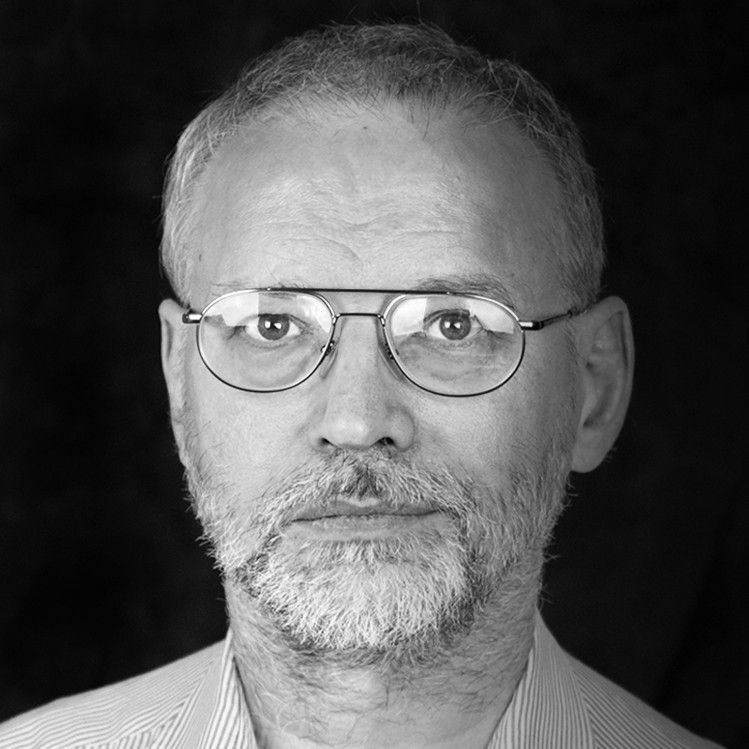
Dr. Jakob Jung ist Chefredakteur Security Storage und Channel Germany. Er ist seit mehr als 20 Jahren im IT-Journalismus tätig. Zu seinen beruflichen Stationen gehören Computer Reseller News, Heise Resale, Informationweek, Techtarget (Storage und Datacenter) sowie ChannelBiz. Darüber hinaus ist er für zahlreiche IT-Publikationen freiberuflich tätig, darunter Computerwoche, Channelpartner, IT-Business, Storage-Insider und ZDnet. Seine Themenschwerpunkte sind Channel, Storage, Security, Datacenter, ERP und CRM.
Kontakt – Contact via Mail: jakob.jung@security-storage-und-channel-germany.de