
| Mit Investitionen von 7,8 Milliarden Euro bis 2040 etabliert Amazon Web Services eine souveräne Cloud-Infrastruktur in Brandenburg. | With investments of €7.8 billion by 2040, Amazon Web Services is establishing a sovereign cloud infrastructure in Brandenburg. |
| Am Hasso-Plattner-Institut in Potsdam hat Amazon Web Services am 15. Januar 2026 die AWS European Sovereign Cloud (AWS ESC) in Betrieb genommen. Für die neue Cloud-Region in Brandenburg plant das Unternehmen Investitionen von mehr als 7,8 Milliarden Euro bis 2040. Durchschnittlich 2.800 Vollzeitarbeitsplätze pro Jahr sollen entstehen und rund 17,2 Milliarden Euro zum deutschen Bruttoinlandsprodukt beitragen.
Politische Unterstützung für digitale Souveränität Dr. Karsten Wildberger, Bundesminister für Digitales und Verkehr, bezeichnete die Sovereign Cloud als Stärkung von Deutschlands Rolle als Standort für digitale Infrastruktur in Europa. „Es gibt eine Chance für ein Comeback in Deutschland mit Brandenburg als KI-Standort“, sagte Wildberger. Claudia Plattner, Präsidentin des Bundesamts für Sicherheit in der Informationstechnik (BSI), kündigte an, die Umsetzung der Sicherheits- und Souveränitätsmerkmale genau zu überwachen. „Wir hatten Einfluss von Anfang an. Unsere Anforderungen wurden bisher erfüllt und ein erster Meilenstein erreicht“, erklärte sie. EU-Bürger im operativen Betrieb Die European Sovereign Cloud soll künftig ausschließlich von EU-Bürgern betrieben werden. Derzeit sind noch sogenannte EU Residents mit im Spiel, für die ein Wohnsitz in der EU ausreicht. AWS hat für die souveräne Cloud eine eigene Governance-Struktur in Europa etabliert. Die neue Muttergesellschaft mit drei lokalen Tochtergesellschaften in Deutschland wird von EU-Bürgern geleitet. Ein Beirat aus drei Amazon-Mitarbeitern und zwei unabhängigen Mitgliedern soll Expertise und Rechenschaft in Souveränitätsfragen gewährleisten. Geschäftsführender Direktor ist Stefan Höchbauer, der mit Stéphane Israël zusammenarbeitet. Israël, der für Management und Betrieb verantwortlich ist, verfügt über Erfahrung im Public Sector und war zeitweise im französischen Finanzministerium tätig. Autonomer Betrieb ohne externe Abhängigkeiten Die AWS ESC verfügt nach Unternehmensangaben über keine kritischen Abhängigkeiten von Infrastruktur außerhalb der EU. Sara Duffer, Vice President AWS Security Assurance, versicherte, dass die Cloud-Region auch bei Kommunikationsunterbrechungen mit dem Rest der Welt unbegrenzt autonom weiterlaufen könne. Autorisierte EU-Mitarbeiter hätten in Ausnahmefällen Zugriff auf eine Kopie des Quellcodes. Die technische Grundlage bildet das AWS Nitro System, das physische und logische Sicherheitsgrenzen durchsetzt. Niemand – auch keine AWS-Mitarbeiter – kann auf Kundendaten in der European Sovereign Cloud zugreifen. Colm Macartaigh, VP Distinguished Engineer bei AWS, hob hervor, dass Teams in Dresden und Berlin an AWS Nitro arbeiten würden. Die Rechenzentren in Brandenburg seien ausschließlich für AWS ESC gedacht. Kunden können alle Metadaten, einschließlich Rollen, Berechtigungen und Konfigurationen, vollständig in der EU speichern. Dies umfasst auch Identitäts- und Zugriffsverwaltung, Abrechnung und Nutzungsmessung. Bedenken zum US Cloud Act Duffer versuchte auch die Bedenken bezüglich eines Datenzugriffs durch den US Cloud Act zu zerstreuen. „Es gibt viele Fehlinformationen über den Cloud Act. Wir haben niemals Zugriff gemäß dem Cloud Act gewährt“, erklärte sie. Die technische Verschlüsselung sei entscheidend. Für Audits wie SOC, C5 oder ISO 27001 bietet AWS verschiedene Testmethoden an. Kunden können die Ergebnisse individuell abfragen, die Audits sind kostenfrei. Vollständiges Service-Portfolio ohne Kompromisse Die European Sovereign Cloud unterscheidet sich von bestehenden AWS-Regionen durch verstärkte Souveränitätskontrollen. AWS-CEO Matt Garman betonte bei der Pressekonferenz, dass Kunden die vollständige Bandbreite der AWS-Services nutzen könnten, ohne auf Funktionen verzichten zu müssen. Er kritisierte die Wettbewerber Google und Microsoft, die lediglich eingeschränkte souveräne Angebote bereitstellen würden. „Wir haben zwei Jahre lang an der Technik gearbeitet und bieten die AWS ESC für europäische Unternehmen, die keine geringeren Kapazitäten wünschen“, erklärte Garman. Das Unternehmen übertrage niemals Daten zwischen Regionen, es sei denn, Kunden fordern dies ausdrücklich an. Services und Preisgestaltung Die European Sovereign Cloud bietet zum Start über 90 Services in Bereichen wie künstliche Intelligenz, Computing, Container, Datenbanken, Netzwerk, Sicherheit und Speicher. Die Preisgestaltung sieht für einige Services keine zusätzlichen Kosten vor, andere Dienste werden mit einem Aufschlag von 15 Prozent in Euro berechnet. Duffer rechnete vor, dass die Berechnung in Euro statt Dollar den Kunden reale Kostenvorteile bringen könnte. AWS führte zudem neue Sovereign Local Zones in Belgien, den Niederlanden und Portugal ein. Erste Kunden und Partner Zu den ersten Kunden gehören EWE AG, die Medizinische Universität Lausitz – Carl Thiem und Sanoma Learning. Die Launch-Partner umfassen Accenture, adesso SE, Adobe, Arvato Systems, Atos, Capgemini, Dedalus, Deloitte, Genysys, Kyndryl, Mistral AI, msg Group, NVIDIA, SAP und Software One. SAP als Partner und Kunde SAP ist sowohl Partner als auch Kunde der European Sovereign Cloud. Martin Merz, President Sovereign Cloud bei SAP SE, erklärte, dass die Sovereign Cloud für stark regulierte Branchen das Mittel der Wahl darstelle, da sie Wahlfreiheit und Kontrolle bedeute. Mit der Bereitstellung der SAP Sovereign Cloud auf der AWS European Sovereign Cloud erweitere man die Wahlmöglichkeiten für souveräne Cloud-Modelle in Europa. Organisationen könnten so geschäftskritische Anwendungen betreiben, künstliche Intelligenz sicher unter europäischer Governance einsetzen und zugleich das Bereitstellungsmodell wählen, das ihren Anforderungen entspricht. |
Amazon Web Services launched the AWS European Sovereign Cloud (AWS ESC) at the Hasso Plattner Institute in Potsdam on January 15, 2026. The company plans to invest more than €7.8 billion in the new cloud region in Brandenburg by 2040. An average of 2,800 full-time jobs per year are expected to be created, contributing around €17.2 billion to Germany’s gross domestic product.
Political support for digital sovereignty Dr. Karsten Wildberger, German Federal Minister of Digital and Transport, described the Sovereign Cloud as strengthening Germany’s role as a location for digital infrastructure in Europe. “There is an opportunity for a comeback in Germany with Brandenburg as an AI location,” said Wildberger. Claudia Plattner, President of the Federal Office for Information Security (BSI), announced that she would closely monitor the implementation of the security and sovereignty features. “We had influence from the very beginning. Our requirements have been met so far and a first milestone has been reached,” she explained. EU citizens in operational mode In the future, the European Sovereign Cloud will be operated exclusively by EU citizens. Currently, so-called EU residents are still involved, for whom residence in the EU is sufficient. AWS has established its own governance structure in Europe for the sovereign cloud. The new parent company, with three local subsidiaries in Germany, is managed by EU citizens. An advisory board consisting of three Amazon employees and two independent members will ensure expertise and accountability in sovereignty issues. The managing director is Stefan Höchbauer, who works with Stéphane Israël. Israël, who is responsible for management and operations, has experience in the public sector and previously worked for the French Ministry of Finance. Autonomous operation without external dependencies According to the company, AWS ESC has no critical dependencies on infrastructure outside the EU. Sara Duffer, Vice President of AWS Security Assurance, assured that the cloud region could continue to operate autonomously without restriction even in the event of communication disruptions with the rest of the world. Authorized EU employees would have access to a copy of the source code in exceptional cases. The technical basis is provided by the AWS Nitro System, which enforces physical and logical security boundaries. No one—not even AWS employees—can access customer data in the European Sovereign Cloud. Colm Macartaigh, VP Distinguished Engineer at AWS, emphasized that teams in Dresden and Berlin are working on AWS Nitro. The data centers in Brandenburg are intended exclusively for AWS ESC. Customers can store all metadata, including roles, permissions, and configurations, entirely within the EU. This also includes identity and access management, billing, and usage measurement. Concerns about the US Cloud Act Duffer also attempted to allay concerns about data access under the US Cloud Act. “There is a lot of misinformation about the Cloud Act. We have never granted access under the Cloud Act,” she explained. Technical encryption is crucial, she said. AWS offers various testing methods for audits such as SOC, C5, or ISO 27001. Customers can request the results individually, and the audits are free of charge. Complete service portfolio without compromise The European Sovereign Cloud differs from existing AWS regions in that it offers enhanced sovereignty controls. AWS CEO Matt Garman emphasized at the press conference that customers could use the full range of AWS services without having to sacrifice any features. He criticized competitors Google and Microsoft for only offering limited sovereign offerings. “We have been working on the technology for two years and are offering AWS ESC to European companies that do not want reduced capacities,” Garman explained. The company never transfers data between regions unless customers specifically request it. Services and pricing The European Sovereign Cloud offers over 90 services at launch in areas such as artificial intelligence, computing, containers, databases, networking, security, and storage. Some services are priced at no additional cost, while others are charged at a 15 percent premium in euros. Duffer calculated that billing in euros instead of dollars could bring real cost benefits to customers. AWS also introduced new Sovereign Local Zones in Belgium, the Netherlands, and Portugal. First customers and partners The first customers include EWE AG, the Medical University of Lausitz – Carl Thiem, and Sanoma Learning. Launch partners include Accenture, adesso SE, Adobe, Arvato Systems, Atos, Capgemini, Dedalus, Deloitte, Genysys, Kyndryl, Mistral AI, msg Group, NVIDIA, SAP, and Software One. SAP as a partner and customer SAP is both a partner and customer of the European Sovereign Cloud. Martin Merz, President Sovereign Cloud at SAP SE, explained that the Sovereign Cloud is the solution of choice for highly regulated industries because it offers freedom of choice and control. The provision of the SAP Sovereign Cloud on the AWS European Sovereign Cloud expands the choice of sovereign cloud models in Europe. Organizations can thus run business-critical applications, use artificial intelligence securely under European governance, and at the same time choose the deployment model that meets their requirements. |
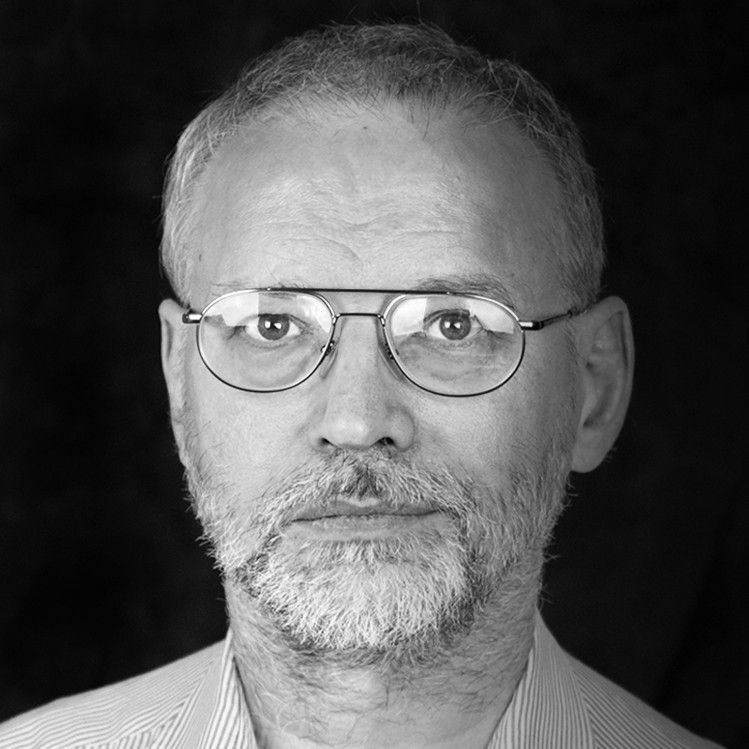
Dr. Jakob Jung ist Chefredakteur Security Storage und Channel Germany. Er ist seit mehr als 20 Jahren im IT-Journalismus tätig. Zu seinen beruflichen Stationen gehören Computer Reseller News, Heise Resale, Informationweek, Techtarget (Storage und Datacenter) sowie ChannelBiz. Darüber hinaus ist er für zahlreiche IT-Publikationen freiberuflich tätig, darunter Computerwoche, Channelpartner, IT-Business, Storage-Insider und ZDnet. Seine Themenschwerpunkte sind Channel, Storage, Security, Datacenter, ERP und CRM.
Dr. Jakob Jung is Editor-in-Chief of Security Storage and Channel Germany. He has been working in IT journalism for more than 20 years. His career includes Computer Reseller News, Heise Resale, Informationweek, Techtarget (storage and data center) and ChannelBiz. He also freelances for numerous IT publications, including Computerwoche, Channelpartner, IT-Business, Storage-Insider and ZDnet. His main topics are channel, storage, security, data center, ERP and CRM.
Kontakt – Contact via Mail: jakob.jung@security-storage-und-channel-germany.de